


World Mental Health Day 2026: Mental Health and Neurological Conditions
On World Mental Health Day 2026, we wish to highlight that mental health is a fundamental human right and that caring for it must be an integral part of comprehensive healthcare. This year’s theme, “Lived experiences heard: real voices, real change”, emphasizes the importance of meaningfully involving people in decisions that affect their health and […]
28 September International Arnold-Chiari Syndrome Day
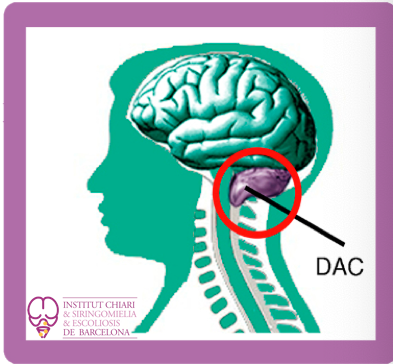
Every 28 September, International Arnold–Chiari Syndrome Day is commemorated, a day dedicated to raising awareness of this neurological condition, promoting scientific research, and supporting affected individuals and their families. The Institut Chiari & Siringomielia & Escoliosis de Barcelona (ICSEB) and the Chiari & Syringomyelia & Scoliosis Foundation (CSSf) join this international initiative alongside healthcare professionals, […]
Favourable 9-year postoperative outcome in a paediatric patient with Arnold-Chiari I syndrome and idiopathic syringomyelia following the application of the Filum System®
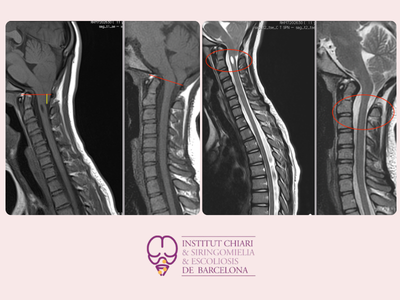
Clinical Case 18155 SNeuro-Cranio-Vertebral Syndrome. Filum Disease. Descent of the Cerebellar Tonsils – Arnold-Chiari I syndrome. Idiopathic syringomyelia. Odontoid retroflexion. Multiple disc disease. Patient treated via sectioning of the Filum Terminale. Sectioning of the filum terminale: 21/02/2017 Age at time of surgery: 11 years Date of postoperative follow-up: 24/07/2026 Age at follow-up: 21 years Clinical […]
Sports and physical activity with Arnold-Chiari I Syndrome and Idiopathic Syringomyelia: A guide to what is safe and what to avoid

Patients diagnosed with descent of cerebellar tonsils or syringomyelic cavities often have a common concern during consultations: Which physical activities are safe for my condition, and which sports should I avoid? Providing the right answer requires a thorough and individualized assessment of each case. Neurosurgeons analyze key variables such as the patient’s age, medical history, […]
World Physiotherapy Day 2026: The importance of rehabilitation in Arnold-Chiari I Syndrome and Filum Disease

Every year on 8 September, World Physical Therapy Day provides an opportunity to recognize the essential role of physiotherapists in promoting health, preventing disease, and supporting the functional recovery of millions of people worldwide. At our centre, we would like to highlight the importance of physiotherapy and rehabilitation for neurosurgical patients, both before and after […]
Heat, Arnold-Chiari I Syndrome and Syringomyelia: Symptoms, Risks and Recommendations for Summer

During the summer, high temperatures in Spain and other countries can intensify the symptoms of various neurological conditions. At our center, many patients with Filum Disease, Arnold-Chiari I Syndrome, idiopathic Syringomyelia, and Neuro-cranio-vertebral Syndrome report increased discomfort and symptom exacerbation during periods of intense heat. Why can heat worsen neurological symptoms? In general, heat can […]
World Brain Day 2026: How Filum Disease Can Affect Brain Health
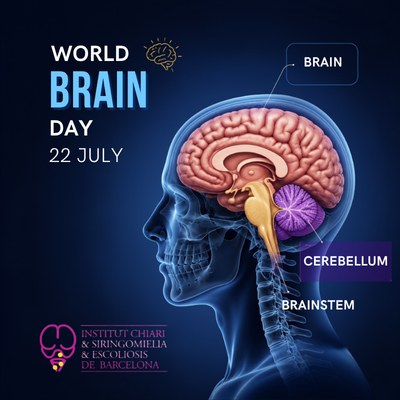
World Brain Day is celebrated every year on 22 July. It is an initiative promoted by the World Federation of Neurology (WFN) since 2014 to raise awareness of the importance of the brain, its functions, the factors that affect its health, and the neurological conditions that can interfere with its normal function. At our Institute, we are […]
Women with Filum Disease, Arnold- Chiari I and Idiopathic Syringomyelia: pregnancy, childbirth, and anaesthesia
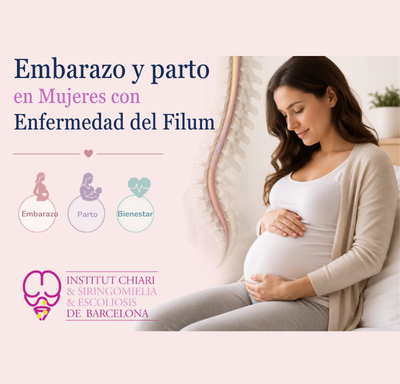
Women diagnosed with Filum Disease, Arnold-Chiari I Syndrome and idiopathic syringomyelia frequently seek medical advice regarding the most appropriate medical recommendations for pregnancy, childbirth, and anaesthesia options during gestation. These neurological and neurosurgical conditions can cause concern for both patients and healthcare professionals, particularly regarding potential risks during pregnancy, the safest delivery method, and the […]
International Scoliosis Awareness Day 2026: Understanding, Diagnosing and Treating Idiopathic Scoliosis
June 25th is World Scoliosis Day, a date dedicated to raising awareness about this spinal condition, promoting early diagnosis, and giving visibility to those living with it. Scoliosis is a musculoskeletal condition characterised by a lateral deviation of the spine. It presents in different forms depending on its origin, age of onset, or affected region […]
Arnold-Chiari I Syndrome: Is It Normal to Experience Anxiety or Depression?

Scientific evidence shows that anxiety and depression can occur as comorbid conditions in people with Arnold-Chiari Syndrome Type I. Although they are not considered direct consequences of the downward displacement of the cerebellar tonsils, they are common and clinically significant. The Relationship Between Arnold-Chiari I and Emotional Disorders From a physiological, motor and cognitive perspective, […]