


Arnold–Chiari I Syndrome can significantly affect the quality of life of those who live with it. While some individuals may remain asymptomatic, many experience symptoms that can intensify if certain risk factors are not recognized and managed.
This article explains what can worsen the symptoms of Arnold–Chiari I Syndrome and what measures can help prevent them, both before and after treatment.
What is Arnold–Chiari I Syndrome?
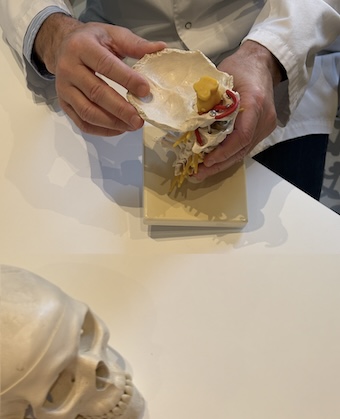
Arnold–Chiari I Syndrome is characterized by the descent of the cerebellar tonsils into the spinal canal through the foramen magnum.
In some patients, this condition may be associated with abnormal traction on the spinal cord caused by an excessively tense filum terminale, which is linked to what we refer to as Filum Disease.
Most frequent symptoms
Symptoms vary in intensity and combination, but the most common include:
- Headache
- Neck and back pain
- Dizziness and vertigo
- Balance difficulties
- Visual or auditory disturbances
- Tingling or loss of sensation
- Fatigue and insomnia
- Cognitive or memory difficulties
Since each patient is different, a specialized medical assessment is essential.
Factors that can worsen symptoms
One of the key aspects in managing this condition is identifying situations that may worsen the clinical picture:
- Intense physical exertion: Lifting heavy objects, making sudden movements, or maintaining prolonged effort can increase pressure in the affected area.
- Mental overload: Periods of intense concentration or sustained intellectual activity may contribute to symptom onset or worsening.
- Emotional stress: Stress, anxiety, or challenging personal situations can act as triggers.
- Injuries: Head or neck trauma – even minor incidents such as lowimpact traffic collisions or abrupt movements on amusement park rides – can exacerbate symptoms.
- Inadequate treatments: Certain techniques, such as cervical traction in physiotherapy, may be contraindicated in these patients.
- Impact sports: Activities like soccer, padel, running, CrossFit, or weightlifting may pose risks if not properly adapted or supervised.
How to prevent worsening
Adopting certain habits can make a significant difference in the progression of the condition:
- Avoid excessive physical exertion or prolonged intellectual strain
- Reduce stress
- Avoid impact sports
- Consult specialists before beginning any physical therapy
- Maintain a balanced lifestyle
Prevention and proper management are key to improving quality of life.
Before and after treatment: what you should know
Before treatment, it is important to limit factors that may worsen symptoms, as they can influence the course of the condition.
After the Filum System® procedure, many patients experience significant improvement. However, it is important to keep in mind that:
- Symptom fluctuations or occasional flare-ups may occur
- These episodes are usually milder and temporary
- With appropriate care, recovery is typically achieved
In our clinical experience, after surgery patients generally recover their favorable postoperative condition, even after episodes of symptom worsening.
Real patient testimonials
Learning about the experiences of other patients can help better understand the condition and available treatment options.
Discover real cases here:
https://institutchiaribcn.com/en/arnold-chiari-testimonials/
When should you consult a specialist?
You should seek a specialized assessment if:
- You have symptoms compatible with Arnold–Chiari I Syndrome
- You notice a recent worsening of symptoms
- You have a previous diagnosis without followup
An accurate diagnosis and personalized treatment plan can make a significant difference in your evolution.